SERVICE REQUEST?
Fill out the form below.
Find our nearest location
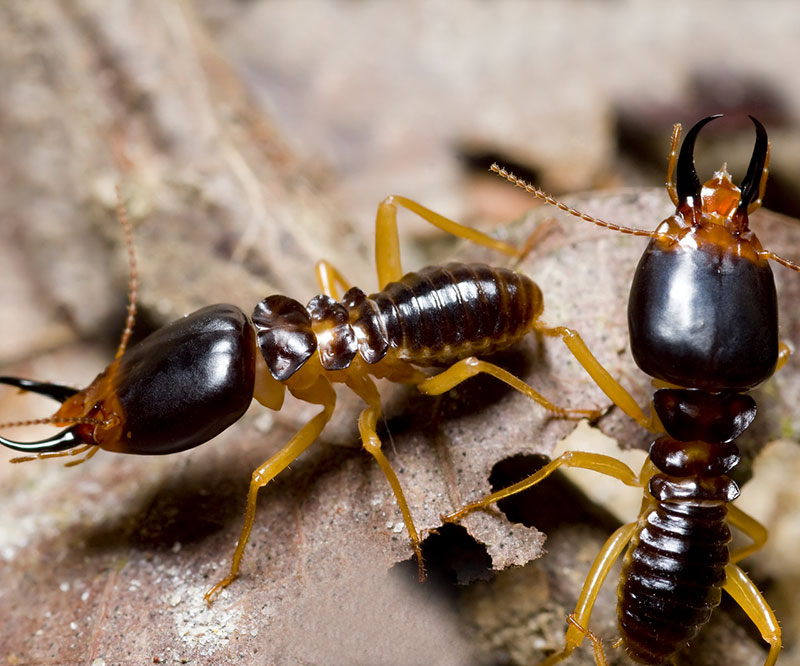
Why Termite Control is Important for Homeowners and Why Protection Matters
Termites don’t crash into your home; they quietly invade it. Hidden behind walls, beneath floors, and deep within structural wood, they can cause extensive damage long before you even realize they’re there. That’s exactly why termite control is important for every homeowner—not just when there’s visible damage, but long before it begins. Because termite infestations are not just pest issues—they are structural threats. Left untreated, they can weaken your home’s foundation, compromise safety, and lead to costly repairs that often exceed thousands of dollars.
Understanding why termite control is important means recognizing one simple truth: prevention is always more affordable—and more effective—than repair.
How do termites get into my home?
Eastern subterranean and Formosan termites enter homes through the ground. These foragers feed on any type of cellulose material, most commonly finding a steady diet of dead and decaying wood in the environment. However, often times unbeknownst to homeowners, termites make their way into the foundation and structural supports of homes and commercial businesses.
How do I know if I have termites?
There are a number of ways to determine if your home or business has termite activity:
The best way to determine if you have termites or not is to have a complete inspection performed by a professional from Terminix. At Terminix, we can provide a customized solution that best fits your budget and the particularities of the structure that needs to be treated.
All or part of the information for this web page is sourced from Terminix International. Terminix North Carolina is a locally owned franchise of Terminix International.
What Happens When Termite Control is Ignored?
Ignoring termite activity is one of the most expensive mistakes a homeowner can make. Termites work 24/7, feeding on wood and cellulose materials, often undetected. Termites can silently damage structural components of your home, leading to expensive repairs, safety risks, and long-term property devaluation.
Risks of untreated termite infestations:
- Structural weakening of beams, flooring, and supports
- Damage hidden inside walls and subfloors
- Expensive repairs (often $5,000–$10,000+)
- Reduced home resale value
- Ongoing infestations, if not professionally treated
Unlike other pests, termites don’t just invade—they consume. By the time visible signs appear, damage is often already extensive..
Why is Termite Protection Important for Long-Term Home Safety?
Because it prevents hidden infestations, protects structural integrity, and ensures long-term safety and value of your property. Many homeowners assume termite treatment is only necessary after an infestation. That assumption leads to delayed action—and higher costs.
So, why is termite protection important even when everything seems fine? Because termites are often active before you see them.
Long-term benefits of termite protection:
- Early detection before damage spreads
- Reduced risk of recurring infestations
- Protection of the foundation and structural wood
- Lower long-term maintenance costs
- Increased confidence during property inspections
A protected home is not just termite-free—it’s structurally secure.
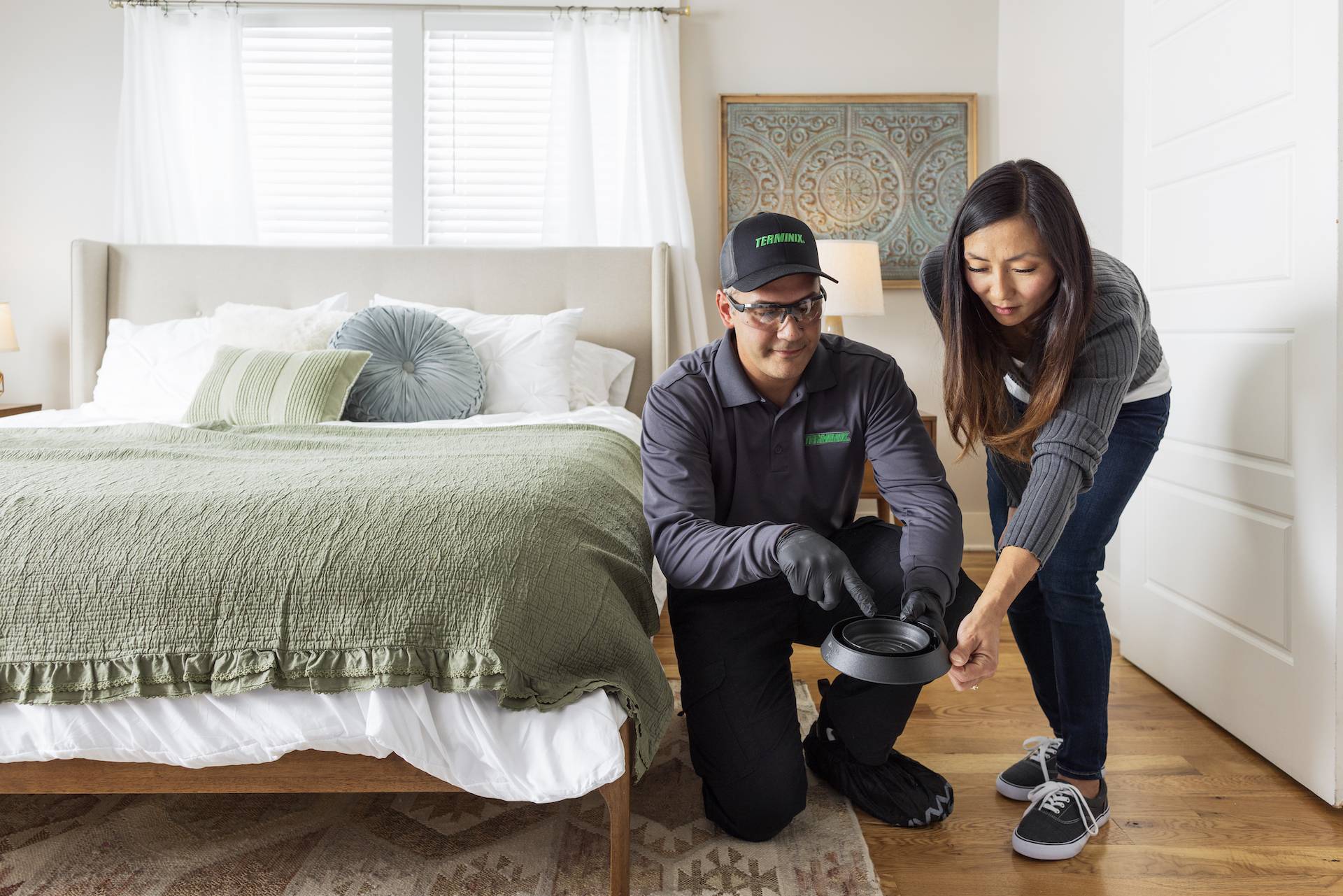
Signs Your Home May Have a Termite Problem
The most common signs of termite damage include mud tubes, hollow wood, discarded wings, and structural irregularities like warped flooring or tight windows.
Even one of these signs is enough reason to schedule a professional termite inspection. Termite infestations rarely announce themselves clearly. Recognizing early warning signs is critical.
Top Signs of Termite Infestation
- Mud tubes along walls or foundation
- Hollow-sounding or damaged wood
- Discarded wings near windows or doors
- Blistering or uneven flooring
- Small holes or wood dust-like residue
- Tight-fitting doors/windows due to structural shifts
Types of Termite Treatments and How They Work
Professional termite control works by identifying termite activity, applying targeted treatments, and monitoring your home to prevent future infestations.
Understanding termite control methods helps homeowners make informed decisions. Professional termite pest control is not a one-size-fits-all approach—it’s strategic.
How Termite Pest Control Works (Step-by-Step)
1. Inspection and Assessment
2. Treatment Planning
3. Treatment Application
Common methods include:
4. Monitoring and Maintenance
Why Termite Extermination is Essential for Your Home
Professional termite extermination is essential because it eliminates termite colonies at the source and provides long-term protection that DIY methods cannot achieve.
There’s a difference between DIY solutions and professional termite extermination. Termites are highly organized, colony-based pests that require expert-level treatment.
The Importance of Professional Termite Extermination:
- Targets the entire colony—not just visible termites
- Uses advanced termite treatment strategies
- Prevents recurrence with long-term monitoring
- Identifies hidden infestation zones
How Termite Protection Saves Your Money
Investing in termite protection saves money by preventing costly structural repairs and reducing long-term damage risks. Think of termite protection as a preventive investment—not an expense.
One of the most overlooked reasons why termite control is important is financial protection.
Termite damage is rarely covered by insurance, making prevention even more critical.
Cost vs. Prevention Reality:
|
Scenario |
Cost Impact |
|---|---|
|
Early termite detection |
Low to moderate |
|
Untreated infestation |
High (structural repair) |
|
Advanced damage |
Very high (foundation/wood replacement) |
Real-World Example: Small Signs, Big Consequences
A homeowner notices minor wood damage near a window but ignores it. Months later, a professional inspection reveals an active termite colony inside wall cavities. Repairs involve drywall removal, structural reinforcement, and treatment, costing thousands.
In contrast, another homeowner schedules an inspection after spotting discarded wings. Early treatment eliminates the colony before damage spreads.
Termite Prevention and Maintenance Tips
To prevent termite damage, reduce moisture, seal entry points, remove wood debris, and schedule routine professional inspections. While professional termite pest control is essential, homeowners can reduce risks through proactive steps.
How to Prevent Termite Damage (Step-by-Step)
How to Handle Severe Termite Infestations
Severe infestations require immediate professional intervention. Waiting can lead to structural instability.
Signs of severe infestation:
- Visible structural sagging
- Extensive hollow wood
- Widespread mud tubes
- Persistent termite activity
What to do:
- Avoid disturbing affected areas
- Schedule an urgent inspection
- Follow a professional termite treatment plan
Innovative Methods in Termite Control
Modern termite control has evolved beyond traditional treatments.
Advanced termite treatment strategies include:
- Eco-friendly baiting systems
- Precision chemical barriers
- Moisture control integration
- Long-term monitoring systems
These innovations improve efficiency while minimizing disruption to your home.
So, What’s Next?
Termites may work silently, but the damage they leave behind can be loud and costly—taking proactive steps today can protect your home, your investment, and your peace of mind for years to come.
Get a Customized Termite Protection Plan
FAQs
What is the cost of termite control?
The cost varies depending on the size of the home, level of infestation, and treatment method. A professional inspection provides the most accurate estimate.
How do I know if my termite treatment is working?
Professional termite control companies often offer monitoring systems to track the success of the treatment. Regular follow-up inspections will ensure that the termites are eliminated.
Are termites covered by homeowners’ insurance?
In most cases, homeowners’ insurance doesn’t cover termite damage, as it is considered preventable. That’s why regular termite inspections and treatment are important for protection.
Why should termites be treated early?
Early treatment prevents structural damage, reduces repair costs, and stops infestations from spreading.
Why is termite protection important for homeowners?
It safeguards your home’s structure, reduces financial risk, and ensures long-term property value.
Read What Our Clients
Are Saying
SERVICE REQUEST?
Fill out the form below.